How to apply through Greenhouse the quick way
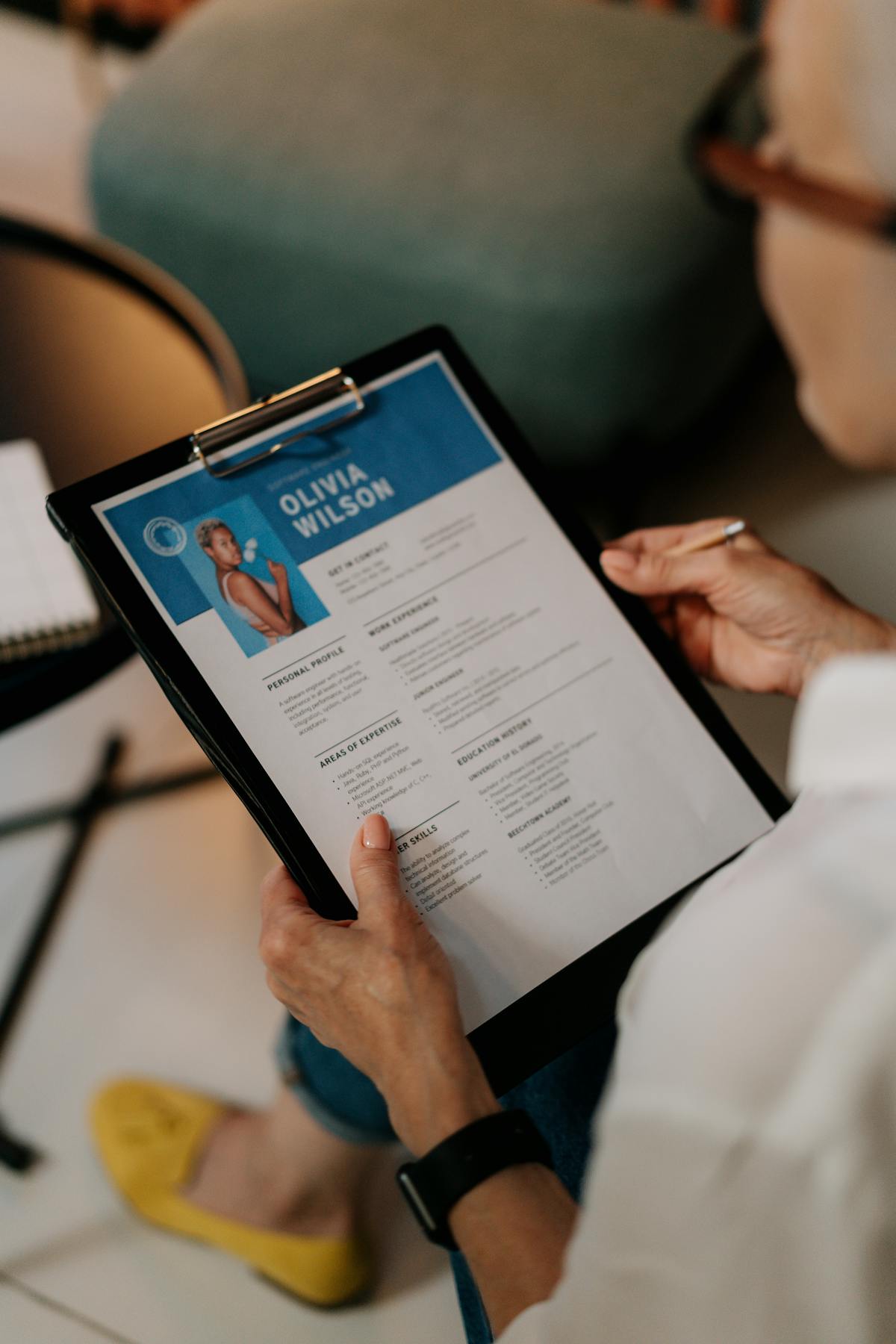
What a Greenhouse application form actually asks for, and how to get through it cleanly.
If you have applied to a startup or a mid-sized tech company lately, you have probably filled out a Greenhouse application without knowing its name. Greenhouse is one of the most common systems behind the “Apply” button, and the form is short enough to feel easy and just long enough to trip you up if you rush. This guide covers what the form asks for, where it pulls from, and how to apply through Greenhouse quickly without leaving gaps.
What Greenhouse actually is
Greenhouse is an applicant tracking system, the software a company uses to collect and sort applications. When you click apply on a company’s careers page and land on a clean form with the role title at the top, that is usually Greenhouse running under the hood.
The company owns the listing and chooses the questions. Greenhouse provides the form and the pipeline behind it. So two Greenhouse applications can look quite different: one wants only a resume, the next adds five custom questions. The shell is the same, the contents are not.
The typical Greenhouse application form
Most Greenhouse forms follow the same shape from top to bottom.
- Contact basics. Name, email, phone, sometimes location.
- Resume upload. A file field, and often a free-text “or paste resume” box.
- Cover letter. Sometimes required, usually optional, occasionally with its own upload.
- Links. LinkedIn, portfolio, GitHub, personal site, depending on the role.
- Custom questions. The part that changes per company: work authorization, sponsorship, years of experience, “why this company,” salary expectations.
- EEO questions. Voluntary self-identification at the very end, always optional.
It looks short. The custom questions are where the real time goes, and where a generic answer stands out for the wrong reason.
Where Greenhouse pulls your details from
Greenhouse does less auto-filling than the bigger enterprise systems, which is good and bad.
When you upload a resume, Greenhouse parses it to suggest a few fields, mostly name and contact info, sometimes work history. It is lighter touch than Workday, so there is less to correct, but also less filled in for you. Most of the form you complete by hand.
If you applied to the same company before, Greenhouse may recognize your email and flag that you are already in their system. That does not block a new application, but it is worth knowing your old one is still on file.
Common mistakes on a Greenhouse application
Because the form is short, people relax and lose points in small ways.
Treating custom questions as filler. A question like “why do you want to work here” is read by a person. A one-line throwaway answer reads as low effort. Two or three honest sentences are enough.
Skipping the optional link fields. If a role is technical or creative and you leave the portfolio or GitHub field blank, you are removing the easiest proof you can offer. Fill them when they apply.
Pasting a mismatched resume. The resume box and the upload field should agree. Do not paste an old version into one and upload a newer file in the other.
Misreading work authorization. “Are you authorized to work in the US” and “will you require sponsorship” are two different questions. Answer each on its own terms.
How to be quick and complete
The goal is fast without thin. A simple pass does both.
- Upload the tailored resume first and let it fill what it can.
- Correct the parsed contact fields, which takes seconds.
- Fill the links that fit the role and skip the ones that do not.
- Write the custom answers in plain sentences, reused from a short bank you keep for repeat questions.
- Re-read the screening answers on authorization, experience, and salary before you submit.
- Leave EEO last, answer or decline, then send.
Keeping a small file of stock answers for the questions that repeat, sponsorship, notice period, salary range, turns a ten-minute form into a three-minute one.
Where Linora fits
The repetitive part of a Greenhouse application is retyping the same details and pasting the same resume into form after form. Linora’s browser extension fills Greenhouse fields with your tailored resume. You adjust the custom questions for that company and click submit yourself.
Greenhouse is one system among several you will meet. Our guides on how to fill out a Workday application and applying through Lever walk through the other two you will run into most.
If you would rather start every application from a draft that already fits the job description, that is what Linora does. Build your profile and try it on your next application.